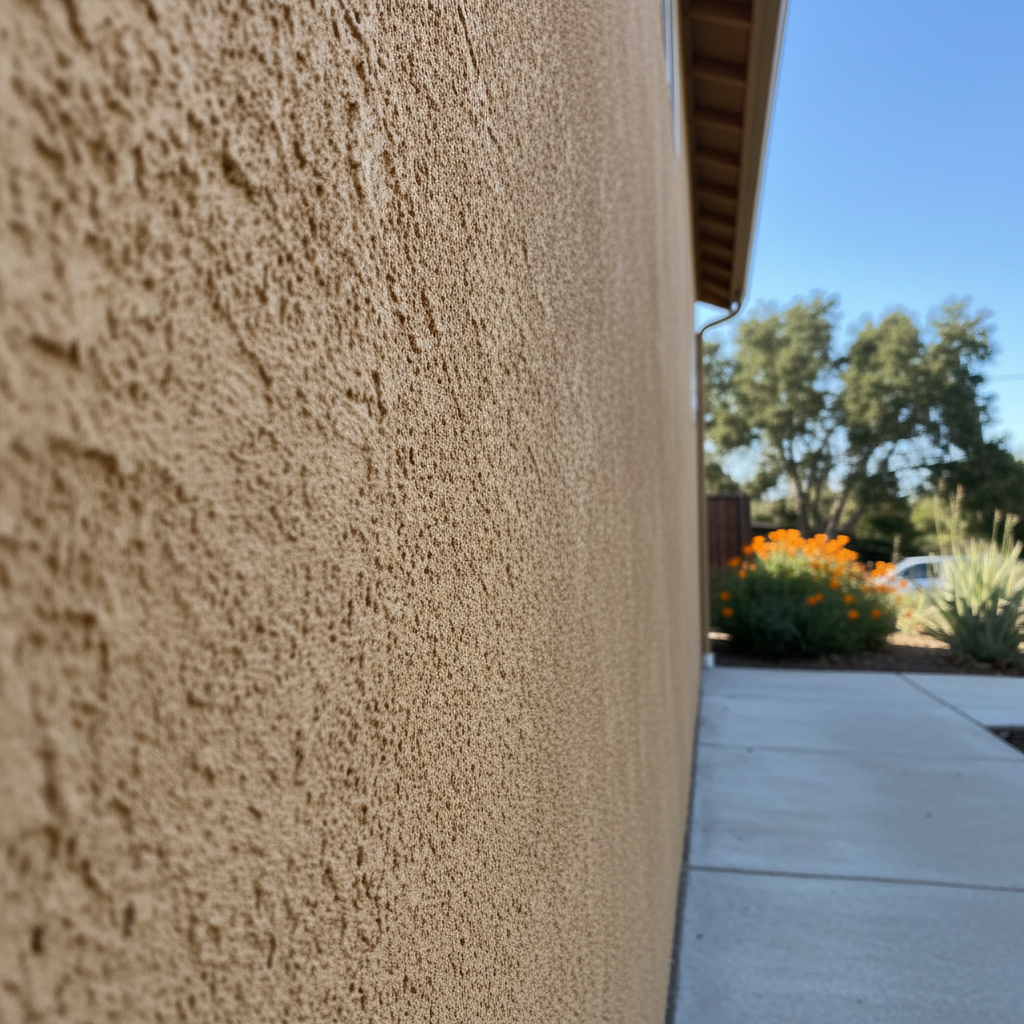
Can stucco really last 50 years or more? What's the catch?
Yeah, it absolutely can. When people ask me this, they're usually thinking about the old mission-style homes down near the Pruneyard, or maybe some of the classic stucco finishes in the older parts of San Jose. The truth is, a properly installed traditional stucco system, done right with good materials and the right techniques, is incredibly durable. We're talking about a multi-layer system that's designed to breathe and stand up to the elements. The 'catch,' if you want to call it that, comes down to installation and maintenance. If it's not put in correctly – say, poor flashing around windows, inadequate weep screeds, or a scratch coat mixed wrong – then you're just asking for problems down the road. And like anything else, it needs a little care. Keeping it clean, fixing small cracks before they get big, and making sure your gutters actually work will go a very long way toward hitting that 50-year mark, and often, even longer.
My stucco looks dingy. Can I just paint it, or do I need to do something else?
This is a super common question, especially with our Campbell weather. That mix of sun and occasional dampness can lead to mildew or just general grime. You can absolutely paint stucco, and it's a great way to refresh its look. But here's the deal: painting isn't always the *first* step, and it's definitely not the *only* solution if there are underlying issues. Before you even think about paint, you need to clean the stucco really well. Pressure washing can work, but you've got to be careful not to damage the surface or push water into the wall. Sometimes, a good scrub with a mild detergent and a soft brush is all it takes to bring back a lot of its original shine. If there are cracks, even tiny hairline ones, you need to get those fixed first. Painting over cracks is like putting a band-aid on a broken leg – it looks better for a bit, but the problem's still there and will show through eventually. And when you do paint, use a high-quality elastomeric or breathable paint specifically made for stucco. It'll last longer and let the wall breathe, which is crucial for stucco's long life.
How do I know if the cracks in my stucco are serious or just cosmetic?
Cracks are probably the number one thing that makes homeowners call me up worried. It's tough to give a blanket answer because every crack tells a different story, but I can give you some general guidelines. Hairline cracks, especially those that look like spiderwebs on the surface, are usually just cosmetic. They're often caused by normal expansion and contraction due to temperature changes, or the stucco drying out. These aren't typically a structural concern, but they can let moisture in over time, so you don't want to ignore them forever. Then you've got larger cracks, say wider than a credit card, or cracks that run horizontally or diagonally across big sections of a wall, especially around windows and doors. Those are the ones that get my attention. If you see cracks that are stair-stepping through your foundation or block work, or if they're accompanied by bulging or soft spots, that's a red flag. Those could mean structural movement or a lot of water getting in. My advice? If you're unsure, get a pro to take a look. It's always better to catch a serious issue early, right?
What's the deal with stucco color? Can I change it easily, or am I stuck?
You're definitely not stuck! Stucco color is a big deal, and it's one of the first things people notice about your home. There are a couple of ways stucco gets its color. Traditional stucco often has integral color, meaning the pigment is mixed right into the final finish coat. This gives you a really deep, consistent color that won't chip or peel because it's part of the material itself. The other way is to apply a color coat or paint over the stucco. If your stucco has integral color, you can still change it by painting over it with a high-quality exterior paint. If you want to go back to an integral color, or if your existing stucco is just plain gray and was always meant to be painted, then you'd be looking at a new finish coat or a re-dash. A re-dash involves putting a new layer of finish coat over the existing stucco, which is a fantastic way to completely change the color and texture, and it can add another layer of protection to your home. It's a bigger project than just painting, but the results are usually more dramatic and last longer.
My home gets a lot of sun on one side. Does that affect the stucco differently?
Oh yeah, it absolutely does, especially here in Campbell where we get some serious summer sun. The south and west-facing walls of your home are going to take a beating compared to the north side. What you'll often see is accelerated fading of the color on those sun-drenched walls. If your stucco is painted, the paint will break down faster, leading to chalking or peeling. If it has integral color, it'll just lighten up over time. But it's more than just looks. The constant heating and cooling cycles can put more stress on the stucco, causing more expansion and contraction. This can contribute to those hairline cracks we talked about earlier. It can also dry out the stucco more, making it a bit more brittle. What I tell folks is to pay extra attention to those sun-exposed walls. Keep an eye out for cracks, make sure your landscaping isn't trapping moisture against the wall, and consider a lighter color if you're re-dashing or painting, as lighter colors reflect more heat and can help keep the surface temperature down.
Is stucco good for insulation? Will it help my energy bills?
That's a smart question, and it's one I get a lot from folks looking to improve their home's efficiency. Stucco itself, the cement-based material, has some inherent thermal mass. That means it absorbs and slowly releases heat, which can help moderate indoor temperatures. Think about how cool an old adobe house feels – same principle. So, yes, it does contribute to your home's insulation, but it's not a primary insulator like fiberglass or foam board. Traditional stucco systems often include a layer of building paper and sometimes a rigid insulation board behind the stucco lath. If you're really looking to boost your home's energy performance, especially in our warm Campbell summers, you'd want to look at an Exterior Insulation and Finish System (EIFS), which incorporates a thick layer of foam insulation right into the wall system. For standard stucco, its main contribution to energy efficiency comes from its ability to create a very tight, seamless envelope around your home, which reduces air leakage, and that's a huge factor in energy savings.