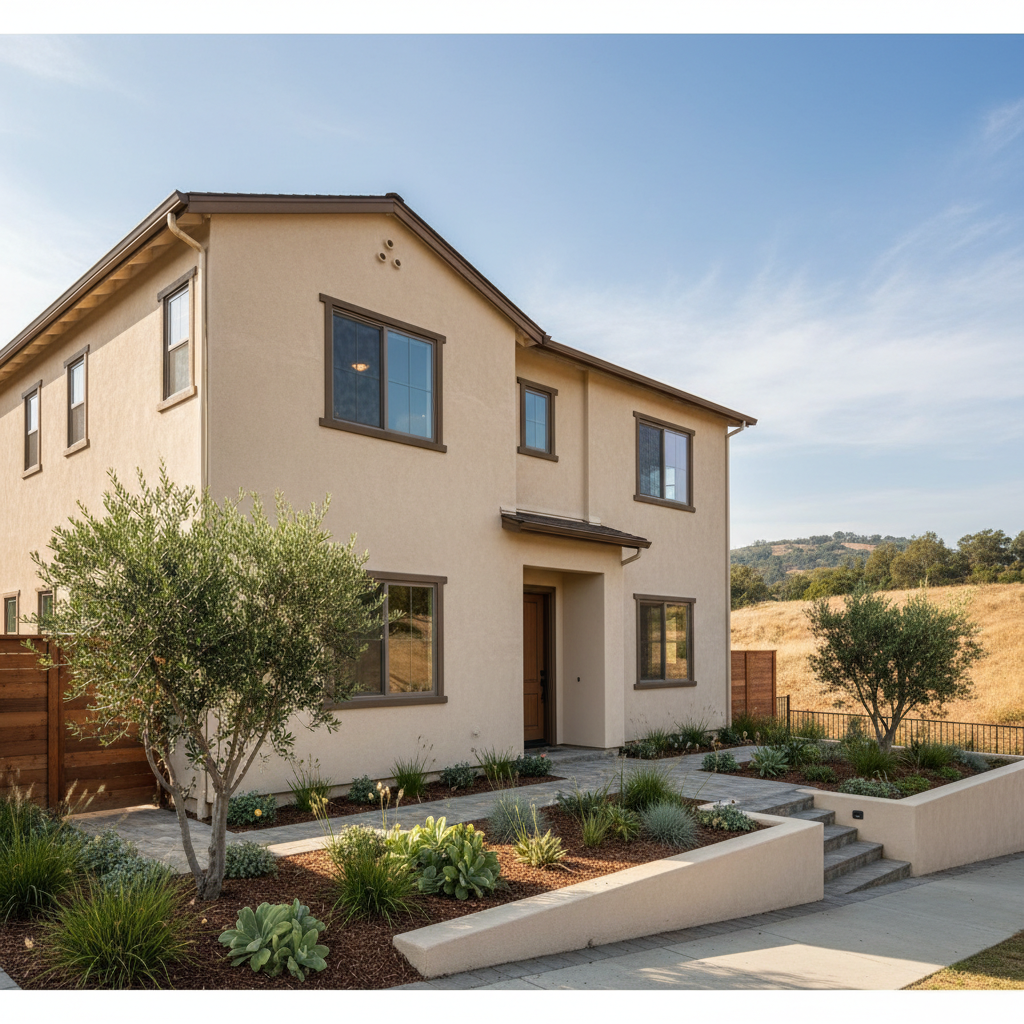
Alright, let's talk about commercial stucco. If you own a business or manage a commercial property here in Campbell, CA, and you're thinking about a stucco project, you've definitely got a lot on your mind. This isn't like getting your house painted; there are different things to consider, different risks involved. I've seen countless projects like these over the years, and I want to give you a straightforward guide so you really know what you're getting into.
Figuring Out Your Commercial Stucco Project Timeline
How long will this take? That's usually the very first question I hear, and it's a smart one. Commercial stucco projects aren't a one-size-fits-all kind of deal. A small storefront refresh, for instance, will wrap up much faster than a multi-story apartment complex. Generally, for commercial stucco cladding, you're looking at something like 4 to 8 weeks, but that can definitely change. Some folks might say a few days to a few weeks, but that's often for really small jobs or just specific parts of the project.
Here’s why it takes time:
- Prep Work (1-3 days): This is when we get the building ready. We're talking about taking off old siding if we need to, checking the surface underneath, and putting in lath, flashing, and moisture barriers. Skipping steps here? That's just asking for trouble later on.
- Applying the Coats: Stucco isn't just one layer, you know? It's usually three coats, sometimes even more for commercial buildings. Each one needs time to dry properly.
- Scratch Coat (1 day application + 24-48 hours curing): This is the first layer that goes over the lath. It gives a rough surface for the next coat to stick to.
- Brown Coat (1 day application + 7-10 days curing): This coat builds up the structure and smooths things out before the final finish. The drying time here is super important.
- Finish Coat (1-2 days application + several days curing): This is the part you'll actually see – the texture and color. It needs time to fully dry, with its full strength usually showing up after about 28 days.
You simply can't rush these drying times. Cement needs to hydrate, and if you try to speed it up, you'll end up with cracks and bond failures down the road. So, if a contractor promises a super-fast turnaround, well, be a little suspicious. Oh, and weather can really mess things up too; cold snaps, heavy rain, or strong winds can cause delays, naturally.
What Happens During the Project
When you take on a commercial stucco project, it's a big deal. Here’s what you should expect:
- Site Assessment & Planning: We'll do a thorough check of your property. This isn't just about the walls; it’s about understanding the existing structure, any issues with the underlying surface, and exactly what your business needs from the stucco. We'll also talk about materials here, like polymer-modified cements for extra impact resistance – often a smart choice for busy commercial areas.
- Permits and Codes: For commercial properties in Campbell, you absolutely have to deal with local building department rules. California has strict codes for commercial stucco, covering materials, how thick it needs to be, waterproofing, and how it's applied. You'll need permits, and the city's MyGovernmentOnline (MGO) platform is where you'll send in applications. Make sure your contractor is on top of all this.
- Disruption: Let's be honest, there will be some. We'll put up scaffolding, cover windows and doors, and protect your landscaping. Good contractors will work with you to keep disruptions to your business operations as minimal as possible.
- Inspections: The city building department will come out for multiple inspections throughout the process to make sure everything meets code. This includes checking framing, sheathing, and moisture barriers before any stucco goes on.
- Cleanup: Once the job is finished, a professional crew will clean up the site, leaving your commercial property looking great.
How to Get Your Commercial Property Ready
You can do a few things to make the whole process smoother for everyone involved:
- Clear the Area: Move any outdoor furniture, signs, planters, or anything else away from the building's edge. This gives the crew clear access.
- Tell Tenants/Employees: If you have tenants or employees, let them know about the project timeline and what to expect regarding noise, access, and maybe some dust.
- Protect Valuables: Even though we take precautions, it's always a good idea to secure any sensitive equipment or inventory inside that could be affected by dust or vibrations.
- Think About Access: Consider where our trucks and equipment will need to go. Make sure there's clear access for deliveries and setting up.
- Know Your Vision: Have a clear idea of the finish and color you want. Stucco offers tons of aesthetic choices, from traditional sand finishes to sleek, modern looks.
Questions to Ask Before You Sign That Contract
This is where you really protect your investment. Don't be shy about asking tough questions. Here’s what I’d want to know:
- Are you licensed and insured? This isn't optional. Ask to see their general liability and worker's compensation insurance, and check their license with the Contractors State License Board (CSLB). If something goes wrong, you need to be covered.
- What's your experience specifically with commercial stucco projects? Stucco on a commercial building is just different from a house. You want a contractor who understands those little details, including commercial building codes and what the building needs to perform. Ask for references from similar commercial jobs they've done, especially ones that are a few years old so you can see how their work holds up.
- Can you give me a detailed, itemized estimate? You need to know exactly what you're paying for – materials, labor, prep, cleanup, and any potential extras.
- What's your process from start to finish? They should be able to walk you through every single step, including how they handle surface preparation, moisture barriers, and drying times.
- What kind of warranty do you offer? A good company like Coastal Stucco & Plastering will stand by their work. Get the warranty details in writing, including how long it lasts and what it covers.
- How do you deal with unexpected problems or delays? Things happen – weather, material holdups. You need to know how they'll communicate and how they'll keep the project moving.
- How will you manage site safety and keep disruptions to my business minimal? Commercial sites have specific safety rules, and a good contractor will have a plan to keep everyone safe and your business running as smoothly as possible.
Choosing the right contractor for your commercial stucco project in Campbell is a big decision. By asking these questions and really understanding the process, you'll be much better prepared to make an informed choice and ensure a successful, long-lasting result for your property.