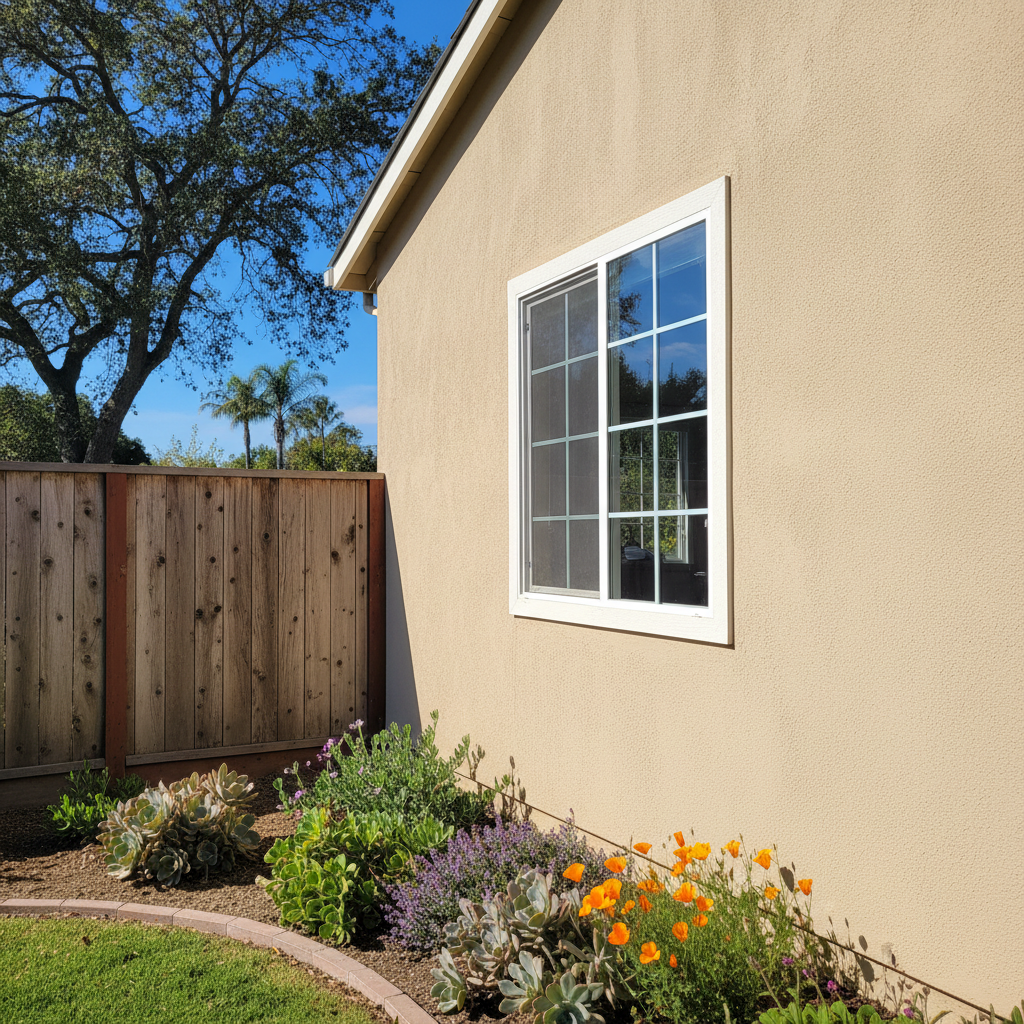
Your exterior walls experience many environmental challenges right here in Campbell, CA. Between the blazing heat waves during peak summer and those stubborn winter damp spells rolling off the bay, your house takes a beating. Stucco is very durable, but it is not completely bulletproof. If you ignore it, small issues turn into expensive framing repairs fast.
Coastal Stucco & Plastering sees what happens when exterior walls are left to fend for themselves against local temperature swings. Homeowners in Campbell can keep their stucco strong and catch problems before they spiral out of control by following a few simple steps.
What Regular Stucco Upkeep Looks Like
Homeowners do not need to spend every weekend working on their exterior, but a little routine attention goes a long way. Start with a gentle wash once a year. Grab your garden hose, and keep the pressure washer in the garage, because high pressure will chew right through cement finish coats. Wash away accumulated dust, spiderwebs, and pollen that settle on the surface, especially if you live near busy roads or open spaces like the Los Gatos Creek Trail.
Take a walk around your home every few months and look closely at the walls. Check the perimeter where your landscaping meets the foundation. Keep mulch, dirt, and heavy shrubbery at least six inches away from the stucco. When plants crowd your walls, they trap moisture against the plaster, creating a breeding ground for mold and dampness.
Keep an eye on your weep screeds at the bottom of the walls, too. If those drainage holes get blocked by dirt or concrete paving, water has nowhere to escape when it rains.
Warning Signs That Demand Attention
Hairline cracks thinner than a credit card happen naturally as buildings settle into the local clay soils around Santa Clara County. Those usually are not an emergency. But homeowners need to act quickly if they spot other, more serious warning signs:
- Cracks wider than an eighth of an inch that let moisture slip behind the barrier.
- A hollow sound when you tap on the wall, which means the stucco is delaminating from the lath.
- Stains or dark discoloration that will not wash off, pointing to chronic water intrusion.
- White, powdery buildup called efflorescence, meaning moisture is pushing salts right through the cement.
If water gets behind the cladding on a typical Campbell home, it stays trapped against the wood framing. Give it enough time, and property owners will be dealing with rot and structural headaches that cost much more to fix than a simple patch job.
When It is Time to Call a Professional
Some homeowner DIY projects make sense, but structural exterior repairs are not one of them. If you notice crumbling corners, widespread cracking, or soft spots in the plaster, leave it to the specialists. Slapping hardware store caulk over a major crack usually traps water inside rather than keeping it out, making the underlying rot worse.
Coastal Stucco & Plastering has the right tools, elastomeric mixes, and matching textures to fix the envelope properly so your home stays sealed tight against the Campbell climate.