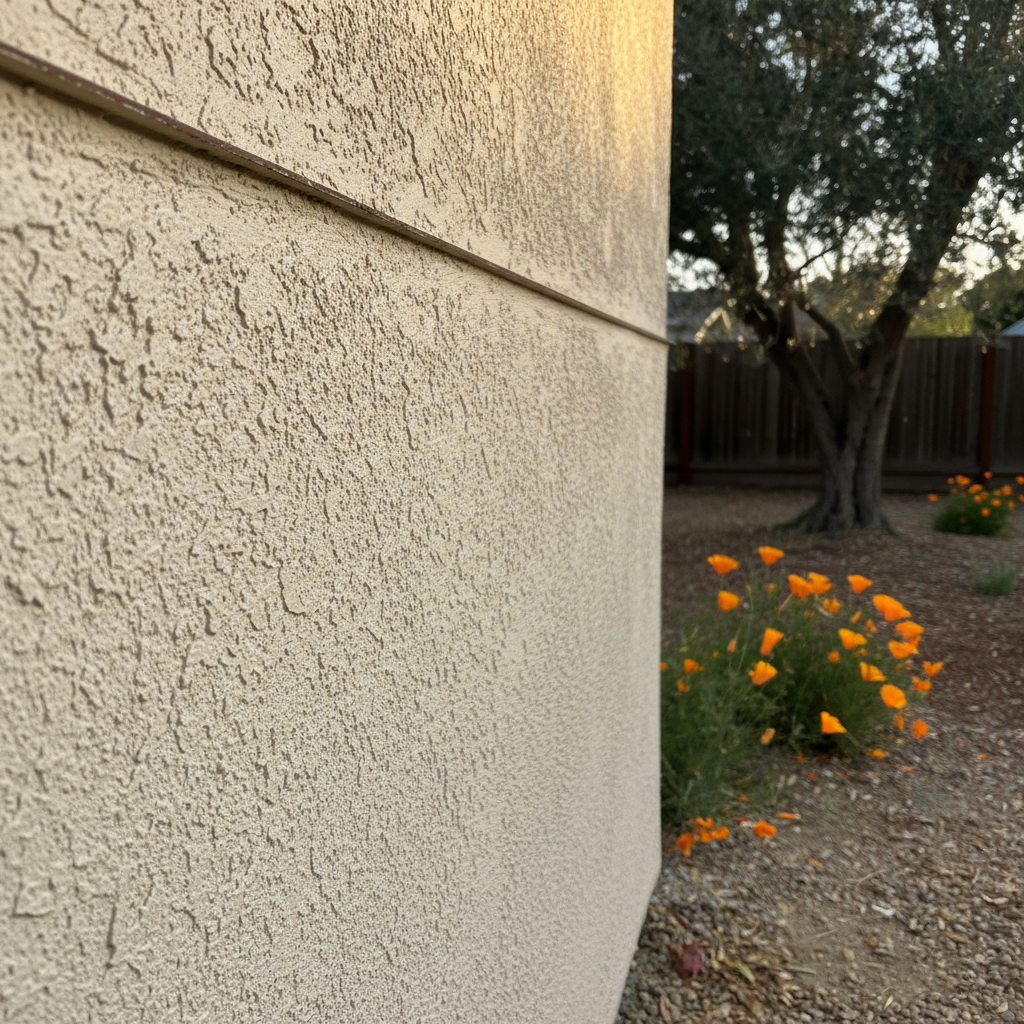
Okay, let's talk about stucco inspections. If you own a home here in Campbell with stucco on it, you've got a tough, good-looking exterior. But, you also need to keep an eye on it. Stucco, especially with our local climate's hot, dry summers and wet winters, can run into trouble if it's not taken care of or wasn't put on right in the first place. Those seasonal rain patterns followed by long dry spells really make stucco expand and contract, and that often leads to cracks and seals that just don't hold up. Don't wait until a small crack becomes a huge headache, believe me. Here’s what you should know about checking your stucco, what you can handle yourself, and when it’s time to bring in someone like us at Coastal Stucco & Plastering.
Before You Start: Get Ready to Look Closely
Before you even step outside, understand this: a stucco inspection isn't just a quick peek. Nope. You need to be thorough. You're looking for signs of wear, places where water might be getting in, and just the general condition of things. The whole point is to catch little problems before they turn into expensive structural repairs.
Here’s what you’ll need for your own visual check:
- Good eyesight, obviously.
- A notepad and pen, or your phone, to jot down what you see and snap some pictures.
- Binoculars can really help for those higher spots you can't reach easily.
- A flashlight for peeking into dark corners.
- Maybe even a small mirror to check really tight spots.
Remember, your visual inspection is just the first step. Think of it like checking the oil in your car; it tells you something, but it certainly doesn't tell you everything about the engine.
During the Inspection: What to Look For (DIY)
When you're out there, walk all the way around your house. Take your time. Pay extra attention to these spots:
Cracks
Cracks are probably the most common thing you'll spot. Hairline cracks (usually 1/16th of an inch or smaller) are pretty normal in stucco because of expansion and contraction, especially with our climate. Just keep an eye on them. If they get bigger, wider, or you see a bunch of them all clumped together, that's a definite red flag. Look for:
- Hairline cracks: Often just cosmetic, but watch them.
- Spiderweb cracks: These might mean there are bigger issues underneath or that the stucco didn't cure right.
- Step cracks: Cracks that follow the mortar lines in masonry or look like a stair-step pattern could point to your foundation moving.
- Cracks around openings: Windows, doors, and utility pipes are common places for cracks to show up because of stress.
Even small cracks can let moisture sneak in, and that leads to bigger problems down the line.
Discoloration and Staining
See any weird colors on your stucco? That’s a sign. Keep an eye out for:
- Dark spots or streaks: These often mean moisture is getting in or mold is growing.
- Efflorescence: This is that white, powdery stuff. It means water is moving through the stucco and bringing salts to the surface. Definitely a sign of moisture, no doubt about it.
- Algae or mildew: Green or black growth means moisture is just hanging around too long.
Bulges, Blisters, and Soft Spots
Run your hand over the stucco (gently!). Does it feel solid? Check for:
- Bulging or delamination: If the stucco is pulling away from the wall, it might look like a bulge or feel hollow when you tap it. This is serious; it usually means moisture is trapped behind it.
- Soft spots: If an area feels soft or spongy when you press on it, that's a clear sign of water damage to the wood sheathing or framing underneath.
Around Windows, Doors, and Penetrations
These are super important areas. Any opening in your wall is a potential entry point for water if it's not sealed and flashed correctly. Check:
- Caulking and sealants: Are they cracked, missing, or pulling away? Missing or failing caulking is a very common issue.
- Flashing: This is the metal or plastic material meant to guide water away. Is it there and in good shape? Improper or missing flashing is a big problem.
- Kickout flashing: This is especially important where a roofline meets a stucco wall. Missing kickout flashing pops up a lot.
Clearances and Drainage
How close is your stucco to the ground or other surfaces? This matters a lot.
- Weep screed: This is a metal piece at the bottom of your stucco wall that lets any trapped moisture drain out. Make sure it's not buried by dirt, landscaping, or concrete. It absolutely needs to be clear.
- Landscaping: Bushes, trees, or soil shouldn't be right up against the stucco. They can hold moisture against the wall.
- Gutters and downspouts: Make sure they're clean and sending water away from your foundation and stucco.
When to Call a Pro: It's Not Always a DIY Job
You can learn a lot from a visual inspection, but there's a point where you need special tools and real expertise. That's when you call in a professional stucco inspector or a contractor like Coastal Stucco & Plastering.
Here’s when you really should get a pro involved:
- Any signs of moisture intrusion: If you see significant staining, efflorescence, soft spots, or delamination, water is probably getting behind the stucco. This needs immediate attention. Professional inspectors use tools like Tramex moisture meters to find elevated moisture levels behind the stucco.
- Before buying or selling a home: A professional stucco inspection can save you from big problems and expensive repairs later if you're buying. If you're selling, it helps you fix issues proactively.
- After severe weather: Heavy rains, strong winds, or even an earthquake can stress your stucco. A professional can check for any hidden damage.
- If your stucco is older: Older homes, especially those built before modern flashing and drainage were standard, tend to have more issues.
- You just want to be sure: Sometimes, you just want an expert to give it a thorough once-over, right?
A professional inspection often includes non-invasive moisture testing with pinless meters and infrared cameras. If those suggest a problem, they might recommend small, invasive probes to confirm how much water damage there is to the sheathing or framing. This is definitely not something you want to try yourself.
After the Inspection: What's Next?
So, you've done your visual check, or maybe you've had a pro come out. Now what?
- Minor issues: Small hairline cracks can often be sealed with a good quality elastomeric sealant. Just make sure to use products made specifically for stucco. Keep an eye on any areas you've sealed.
- Professional report: If you hired a pro, you'll get a detailed report with their findings, photos, and clear recommendations. This report is your roadmap, essentially.
- Repairs: For anything beyond simple cosmetic fixes, call a stucco contractor. Water damage, delamination, or structural cracks need expert repair. Ignoring these can lead to mold, rot, and serious structural damage.
- Regular maintenance: Even if everything looks good, regular visual checks (at least once a year) are key. Clean your gutters, keep landscaping away from the walls, and make sure water drains properly.
Taking care of your stucco is a big part of protecting your investment in your Campbell home. It's not just about how it looks from the street; it's about keeping your home sound and dry. Don't hesitate to reach out if you have questions or need a hand with a professional inspection or repair. We're here to help, after all.