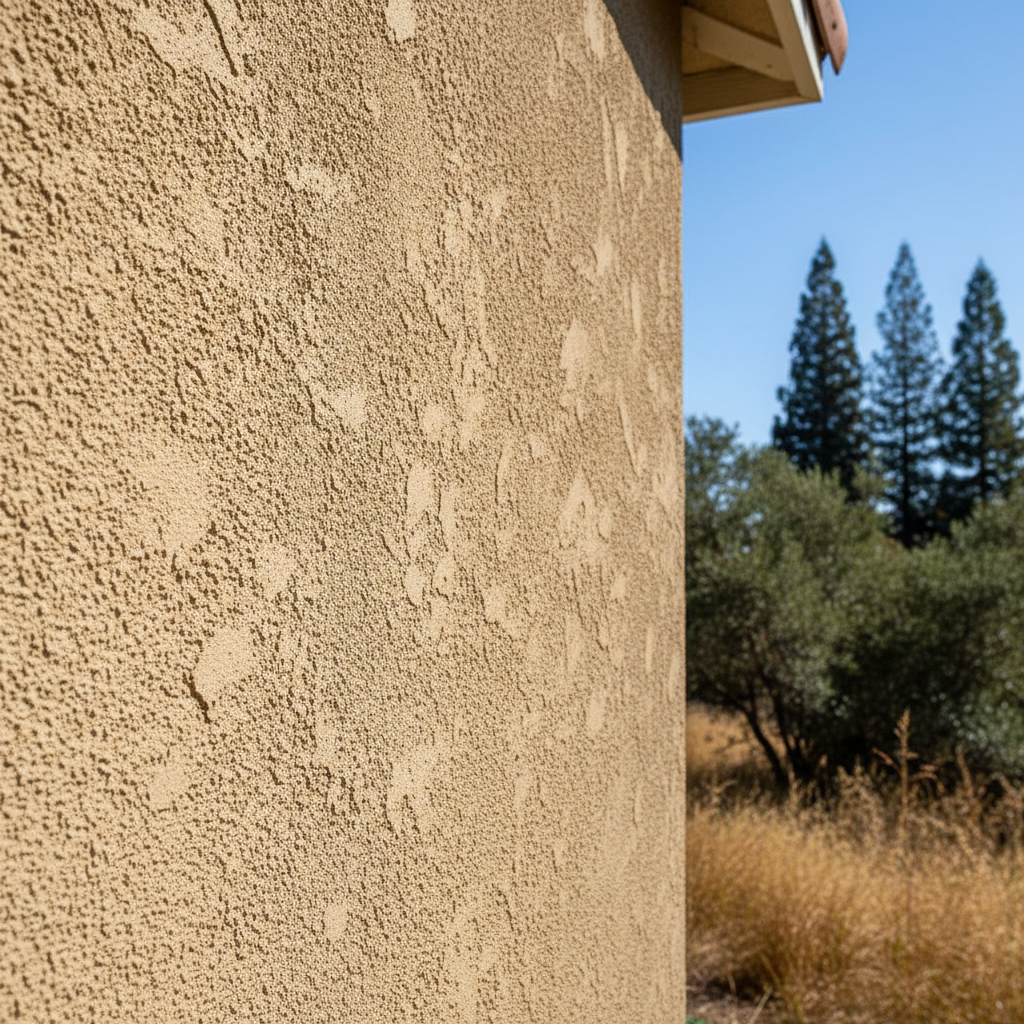
Think your stucco might have an issue? You're probably right to be looking into it. Stucco's tough, sure, but it's not invincible, especially with our Bay Area weather cycles. A good inspection can catch small problems before they balloon into those big, expensive headaches. I'm talking about things like water getting in that can rot out framing or even create mold behind your walls. You definitely don't want that. So, let's talk about what you, as a homeowner, can realistically check yourself, and when you absolutely need to bring in someone like us at Coastal Stucco & Plastering.
Before You Start Your DIY Stucco Check
First off, grab a few things: a notepad, a pen, a camera (your phone's totally fine), and maybe a small flashlight. You'll want to take notes and pictures of anything that looks off. This isn't about being an expert, not at all; it's just about documenting what you see. Oh, and pick a clear, dry day. Wet stucco can hide cracks or make them look worse than they are, and you really want good lighting for this.
Safety first, always. If you're going to use a ladder, make sure it's stable and you feel comfortable on it. Don't push it. Some spots on your house are just plain dangerous to reach without the right gear and training. If you live in a two-story home, or there are tricky angles, don't try to be a hero. That's a job for the pros.
What to Look For: Your Visual Inspection Checklist
Alright, let's get to it. Walk around your house, slowly, and pay attention to these areas:
- Cracks: Not all cracks are bad, but you need to know the difference. Hairline cracks, especially around windows or doors, are often just from the house settling and usually aren't a huge deal. They're mostly cosmetic. But if you see cracks wider than a credit card, or if they're running horizontally or in a stair-step pattern, those could point to structural movement or a bigger problem. Pay extra attention to areas where different materials meet, like where stucco touches trim or the foundation.
- Stains and Discoloration: Dark streaks, particularly under windows, near rooflines, or around pipes, often signal water getting in. Green or black stains might be mold or algae, which means moisture is hanging around. Reddish-brown stains could be rust from metal flashing or fasteners. These aren't just ugly; they're big red flags.
- Bulges or Soft Spots: Gently press on the stucco in various places. Does it feel firm? If you find areas that feel soft, spongy, or hollow, that's a serious concern. It usually means there's water damage or rot happening behind the stucco. This is definitely a 'call a pro' situation.
- Flashing and Sealants: Look at all the spots where stucco meets another material: around windows, doors, vents, and at the roofline. Is the flashing intact? Is the caulk or sealant cracked, missing, or pulling away? These are critical areas for keeping water out. If these fail, water gets in. Simple as that.
- Drainage: Check your downspouts and gutters. Are they actually directing water away from your foundation? If water constantly splashes onto your stucco, it's going to cause problems over time. Also, look at the ground around your foundation. Does it slope away from the house? Good drainage is key to keeping your stucco dry.
When to Call a Professional Stucco Inspector
You've done your walk-around, taken your notes and pictures. Now, if you've found anything beyond minor hairline cracks or superficial dirt, it's time to call in a professional. Specifically, if you see:
- Any cracks wider than a credit card.
- Stains that suggest water intrusion (dark streaks, mold, rust).
- Soft or bulging areas.
- Compromised flashing or sealants around openings.
- Repeated issues in the same spot, even after a small repair.
A good stucco contractor, like us, has specialized tools and experience. We can use moisture meters to find hidden water behind your walls without tearing anything open. We know what to look for in terms of proper installation, weep screeds, and expansion joints. We can get up on ladders safely and inspect those hard-to-reach spots that you shouldn't be messing with. For example, many homes built in the 80s and 90s in places like the Dry Creek neighborhood sometimes had less-than-ideal flashing details around windows, and that's where we often see hidden water damage start. It's not always obvious from the outside until it's a big problem.
After the Inspection: What Happens Next?
If you've called a pro, they'll give you a detailed report on what they found, often with pictures. They'll explain how serious any issues are and recommend solutions. Don't be afraid to ask questions! Understand what needs to be fixed and why. Get a clear estimate for the work.
Even if your DIY check didn't reveal anything major, it's still smart to have a professional stucco inspection every few years, especially if your home is older than 10-15 years. Think of it like getting your car serviced. Regular check-ups prevent bigger breakdowns down the road. Taking a proactive approach to your stucco's health will save you money and stress in the long run. It's your home, after all, and keeping it sound is a smart move.