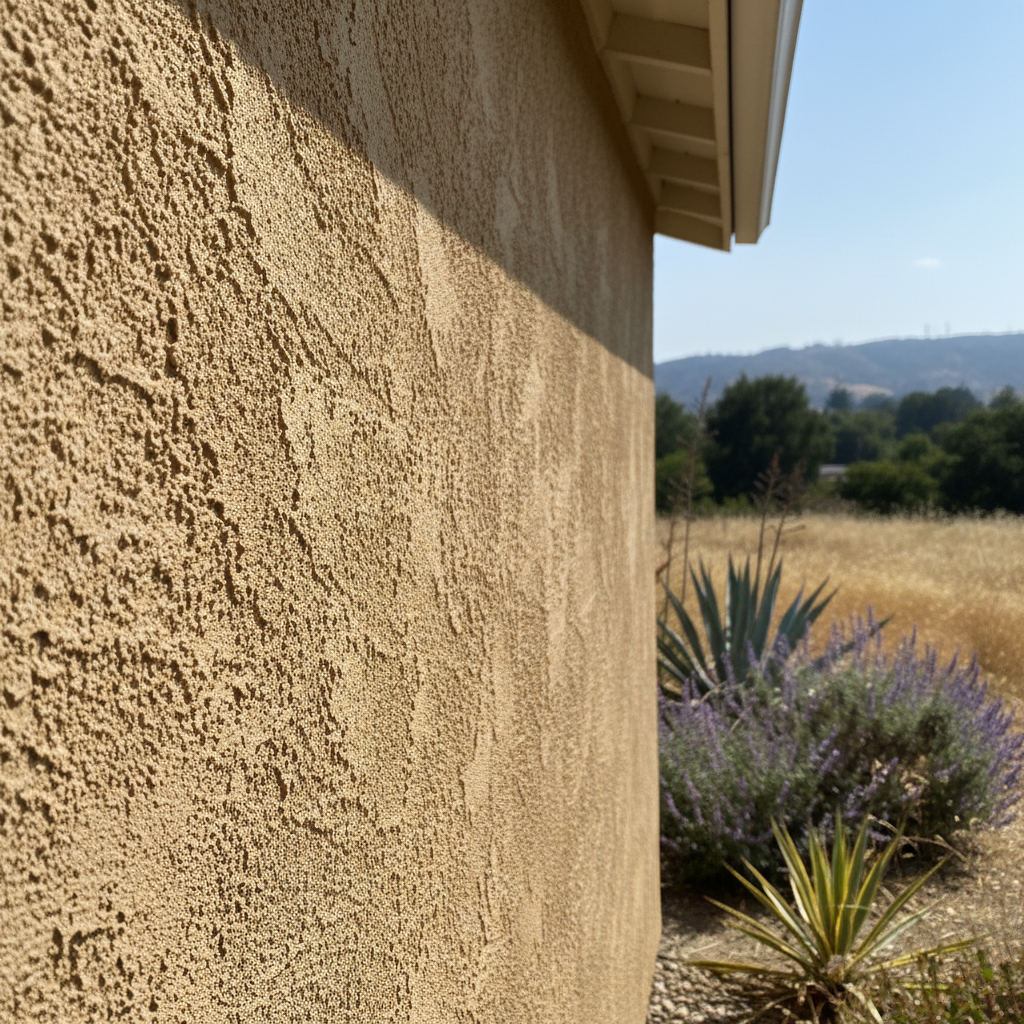
So, you're thinking about new stucco for your home here in Campbell. Maybe it's a new build, an addition, or you're just tired of that old, cracked siding. Stucco's a great choice for our climate; it's durable, fire-resistant, and looks fantastic when it's done right. But it's also a big job, and there's a lot to know before you jump in. I've seen plenty of projects over the years, and I want to give you the straight scoop on what you can realistically do yourself and when you absolutely need to bring in a professional.
Before You Start: Planning Your Stucco Project
Before any tools come out, you've got to do your homework. This isn't like painting a room; there are structural and weatherproofing considerations that are really important. First off, what kind of stucco are you looking at? There are traditional three-coat systems, one-coat systems, and then synthetic (EIFS) systems. Each has its pros and cons, and they're installed differently. For most homes around here, especially the older ones in neighborhoods like Pruneyard, you'll typically see traditional cement-based stucco, which is what I'll mostly focus on.
Permits are a big deal. You can't just start slapping stucco on your house. You'll need to check with the City of Campbell's building department. They'll want to know what you're doing, and they'll have specific requirements for things like flashing, weep screeds, and proper lath installation. Don't skip this step; it can save you a ton of headaches and potential fines down the road.
Next, think about your budget and timeline. Stucco isn't cheap, and it takes time, especially with the drying periods between coats. Get a few quotes if you're hiring out, and make sure they're comparing apples to apples. A good contractor will break down the costs for materials, labor, and any necessary prep work.
What You Can (Maybe) Do Yourself
Look, I'm all for homeowners tackling projects, but stucco isn't a DIY job for the faint of heart. It's physically demanding, requires specialized tools, and precision is key for a long-lasting, watertight finish. That said, there are some things you might be able to handle to help reduce costs, particularly on smaller projects or repairs.
- Demolition: If you're removing old siding or existing stucco, you might be able to handle the demo. Be careful, though. Old stucco can contain asbestos, especially in homes built before the late 70s. If you suspect asbestos, you absolutely need to call in a certified abatement company. Don't mess with that stuff.
- Site Prep & Protection: You can definitely help with protecting your landscaping, windows, and anything else around the house. Lay down tarps, tape off windows and doors, and make sure the work area is clear. This saves the pros time, which can save you money.
- Minor Repairs (with caution): For very small, non-structural cracks, you might be able to patch them yourself with a stucco patch kit. But if you see widespread cracking, bulging, or water stains, that's a sign of a bigger problem that needs professional assessment. You don't want to just cover up a hidden water intrusion issue.
Honestly, that's about it for what I'd recommend a typical homeowner doing themselves for a full installation. The actual application of stucco is a skilled trade for a reason.
When to Call a Pro (Which is Most of the Time)
For any new stucco installation, significant repairs, or re-stuccoing an entire house, you really need to hire experienced professionals. Here's why:
- Proper Lath & Paper Installation: This is the foundation of your stucco system. If the building paper (moisture barrier) and metal lath aren't installed perfectly, you're asking for water intrusion and cracks. We're talking about precise overlaps, proper fastening, and correct flashing around all openings. This isn't something you can learn from a YouTube video.
- Mixing & Application: Getting the right mix for each coat (scratch, brown, and finish) is crucial. Too wet, too dry, wrong aggregates – it all affects durability and appearance. Applying it evenly, to the correct thickness, and with the right texture takes years of practice. You need to know how to work with the material before it sets.
- Weatherproofing Details: Things like weep screeds at the bottom of walls, proper flashing around windows and doors, and expansion joints are critical for shedding water and preventing cracks. Miss one detail, and you could end up with costly water damage inside your walls.
- Tools & Equipment: We're talking about mixers, spray guns, hawk and trowel sets, scaffolding, and safety gear. It's a significant investment that doesn't make sense for a one-off project.
- Experience with Local Conditions: Here in Campbell, we get our share of rain in the winter, and then hot, dry summers. Knowing how stucco reacts to our specific climate, soil conditions (especially with our expansive clay soils in some areas), and even seismic activity is something only local pros like us at Coastal Stucco & Plastering will have.
During the Project: What to Expect
If you hire a contractor, they'll handle most of the heavy lifting. But it's good to know what's happening. You'll see them prep the walls, which usually involves applying the building paper and then the metal lath. Then comes the scratch coat, which is literally scratched to provide a good key for the next layer. After that dries (which can take a few days), they'll apply the brown coat, which levels everything out and gets it ready for the finish. Finally, the finish coat goes on, and that's where the color and texture you chose really come to life.
Expect some mess. Stucco work is dusty and wet, so make sure your contractor has a plan for site cleanup. Also, be prepared for noise. It's a construction site, after all.
After the Stucco is On: Care and Maintenance
Once your new stucco is up, it's pretty low maintenance, but not no maintenance. Here's what you need to do:
- Curing: For the first few days, especially if it's hot and dry, your contractor might recommend misting the stucco with water. This helps it cure properly and prevents premature cracking.
- Keep an Eye Out: Periodically walk around your house and look for any signs of trouble. Small hairline cracks are normal as the house settles and the stucco cures, but large, spreading cracks or water stains need attention.
- Cleaning: You can gently wash stucco with a garden hose and a soft brush if it gets dirty. Avoid high-pressure washers, as they can damage the finish.
- Landscaping: Make sure sprinklers aren't constantly hitting the stucco. Consistent moisture can lead to algae growth or even damage over time. Keep plants and shrubs trimmed back so they're not directly touching the walls.
Getting new stucco is a fantastic investment in your home. It boosts curb appeal, adds durability, and protects your biggest asset. Just make sure you go into it with your eyes open, understand the process, and know when it's time to bring in the folks who do this day in and day out.