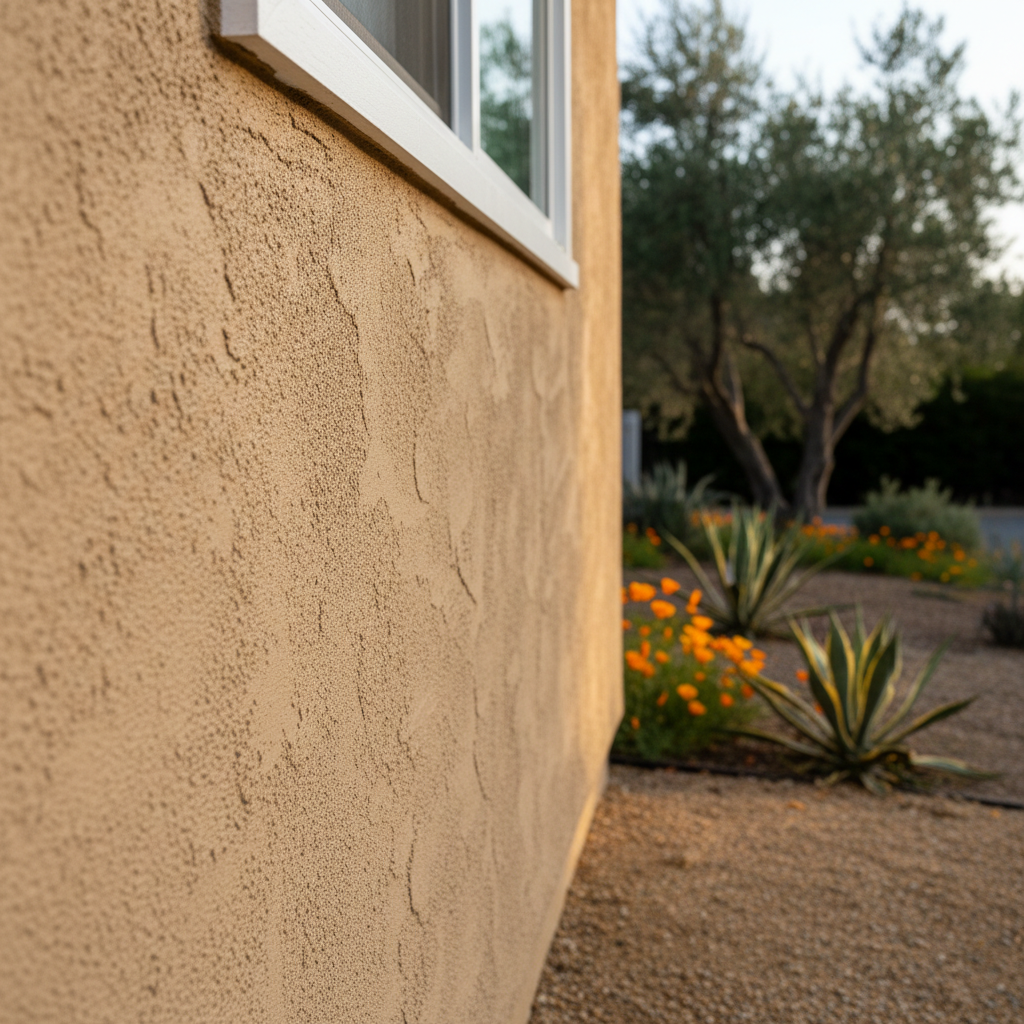
So, you're looking at your home's exterior and maybe you're thinking about stucco. Perhaps it's for a new addition, a repair, or just a fresh coat to really spruce things up. This is a pretty common thought for folks around Campbell, especially with our older homes in neighborhoods like Dry Creek or even the newer builds popping up all over. But before you grab a trowel, let's talk about what's truly a DIY job and what's best left to someone who does this day in and day out, you know?
Before You Start: Planning & Prep
First off, you've really got to understand what you're getting into here. Stucco isn't just slapping some mud on a wall. It's actually a multi-layer system, carefully designed to protect your home from the elements, provide some insulation, and, of course, look good while doing it. For any stucco project, big or small, you'll definitely need to think about permits. In Campbell, just like most places, significant exterior changes often require one. Seriously, don't skip this step; it can save you a world of headaches down the road.
Now, for prep work, some things you can absolutely handle yourself. Cleaning the existing surface, for instance, is usually pretty straightforward. A good power wash (just be careful not to damage anything) can easily remove dirt, grime, and loose paint. Taping off windows and doors, protecting your landscaping, and laying down drop cloths? Oh, you can totally do that. It's tedious, sure, but it saves on labor costs and makes for a much cleaner job site.
However, if your project involves structural issues, significant dry rot, or anything that compromises your home's framing integrity, that's where you need a professional. Stucco is only as good as what's underneath it, after all. Trying to patch over a crumbling wall or a leaky window frame is kind of like putting a band-aid on a broken leg. It just won't hold.
During the Project: Application & Expertise
This is where the line between DIY and pro gets really, really clear. For small, cosmetic patches — say, a ding from a rogue baseball or a hairline crack — you might be able to manage. There are plenty of pre-mixed stucco repair kits out there designed for homeowners. You'll need to match the texture and color as best you can, which can be tricky, but it's doable for a small area. The key, honestly, is to practice on a scrap piece first to get the feel for the trowel and the material.
But when it comes to applying new stucco to an entire wall, an addition, or a full re-stucco job? That's a different beast entirely. Here's why:
- Lath Installation: Getting the metal lath (that's the wire mesh that holds the stucco) perfectly straight, properly overlapped, and securely fastened is absolutely crucial. If it's not right, you'll see cracks and failures down the line.
- Mixing & Consistency: Stucco mix needs to be just right – not too wet, not too dry. This consistency affects adhesion, curing, and durability. Pros know this by feel.
- Application Layers: Stucco goes on in multiple coats – scratch, brown, and finish. Each layer has a specific thickness and curing time, and messing this up can lead to weak spots, delamination, and an uneven finish.
- Texturing: Achieving a consistent texture, whether it's a smooth Santa Barbara finish or a more textured dash, takes years of practice. An amateur job often looks blotchy and uneven.
- Scaffolding & Safety: Working at height is dangerous. Professionals have the right equipment and training to do it safely.
Honestly, I've seen too many well-meaning homeowners try to re-stucco a whole side of their house only to end up with a wavy, inconsistent mess that costs more to fix than if they'd just hired Coastal Stucco & Plastering from the start. It's not just about getting the material on the wall; it's about getting it on right, so it lasts for decades.
After the Project: Curing & Care
Once the stucco is on, whether it's a small patch or a whole new exterior, proper curing is vital. This usually means keeping the stucco damp for several days, sometimes even weeks, depending on the weather. In Campbell, our dry summers mean you'll definitely need to mist it regularly. This allows the cement to hydrate properly and achieve maximum strength. Skipping this step can lead to a weaker, more brittle finish that's prone to cracking.
For ongoing care, you can handle most of it yourself. Regular cleaning with a hose and a soft brush can keep your stucco looking fresh. Inspecting for minor cracks and addressing them quickly with a good quality caulk or small patch kit can prevent bigger problems. But if you see widespread cracking, large sections detaching, or persistent moisture issues, that's your cue to call in a professional. These are signs of deeper problems that need expert diagnosis and repair.
Look, I'm all for homeowners tackling projects they can handle. It's satisfying, and it saves money. But know your limits, okay? With stucco, the difference between a professional job and a DIY attempt is often visible for years, and sometimes, the cost of fixing a bad DIY job outweighs any initial savings. Think carefully about the scope and your skill level. Sometimes, the smart move is to bring in the pros for the heavy lifting.