What's causing my stucco to crack or fail?
This is probably the most common question I get, and it's a good one, too, because understanding *why* something happens really helps prevent future headaches. Lots of things can make stucco crack or fail, but here in Campbell, I see a few usual suspects pop up pretty consistently. Sometimes, it's just your home settling naturally over time. We're on pretty stable ground compared to some places, sure, but even minor shifts can stress the stucco, especially around windows and doors. Then there's water intrusion. This one's a big deal. If water sneaks behind the stucco – maybe from a leaky gutter or flashing that wasn't installed quite right – it can rot the lath and sheathing. That leads to bulges, soft spots, and, eventually, cracks or even whole sections falling off. Poor installation is another factor; if the mix wasn't quite right, or it was spread too thin, or dried too fast in our hot summer sun, you're definitely going to see problems down the road. And, of course, impact damage. A rogue baseball, a car bumping into the house, or just general wear and tear over decades can really take its toll.
Can I just patch a stucco crack myself?
You *can*, but should you? That's the real question, isn't it? For really small, hairline cracks – I'm talking tiny, surface-level stuff – a homeowner might be able to fill it with a good quality caulk or a stucco patch kit. But here's the catch: most cracks aren't just skin deep. A crack is often a symptom of a bigger, hidden problem. If you just patch it without getting to the root cause, you're basically slapping a band-aid on something that needs stitches. The crack will probably pop up again, and the underlying issue, like water damage or structural movement, will just keep getting worse. I've seen folks try to patch bigger cracks or areas where the stucco is delaminating, and it usually ends up looking pretty bad, with noticeable color differences and mismatched textures. Plus, if water damage is involved, you really need to get in there, remove the compromised material, fix the source of the leak, and then rebuild. That's definitely not a DIY job if you want it done right and want it to last.
How do you match the existing stucco texture and color?
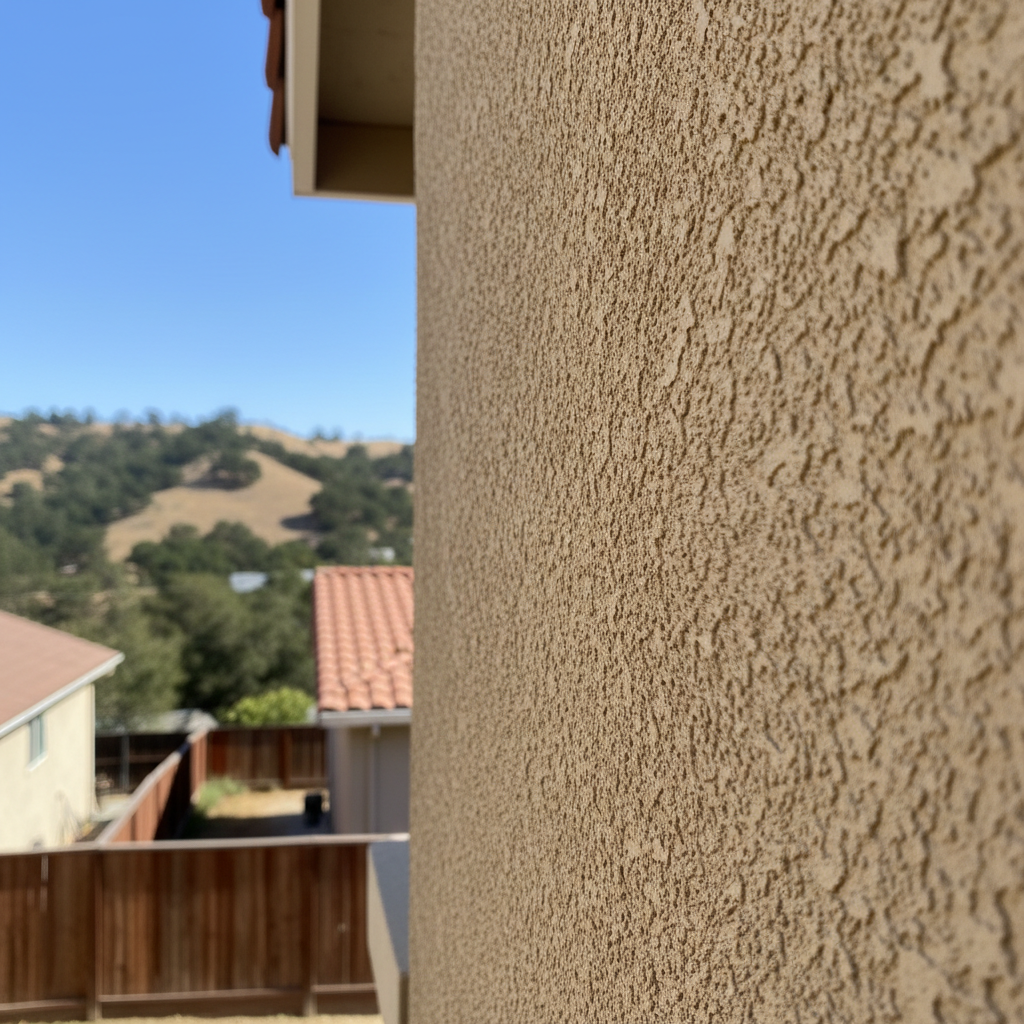
Matching existing stucco is an art form, truly. It's not just about grabbing a color chip and calling it a day. First, we've got to analyze the existing texture. Is it a smooth finish, a Santa Barbara, a dash, a lace, or something else entirely? We'll often do test patches in a spot that's not too noticeable to get the texture just right. This means using the correct tools, the right mix consistency, and the proper application technique. For color, it's even trickier. Stucco color fades over time because of sun exposure, especially here in sunny California. So, if your house was built 20 years ago, that original color formula isn't going to match your faded walls today. What we do is take samples of your existing stucco, and then mix custom batches, often using a combination of pigments, to get as close as humanly possible. We let those test patches dry completely, because stucco color changes a lot from wet to dry. Sometimes, for a truly seamless repair, especially on a prominent wall, the best approach might be to fix the damaged section and then apply a fog coat or a fresh coat of paint to the entire wall, or even the whole house, to ensure everything looks uniform. It's all about blending it in so it looks like nothing was ever damaged.
How long does a typical stucco repair take?
That depends entirely on the size and how complicated the damage is. A small, isolated crack repair might only take a few hours of actual work, spread over a couple of days to let it cure properly. If we're talking about a larger section of stucco that needs to be removed and replaced, especially if there's underlying dry rot or structural damage, that's a multi-day or even multi-week project. We've got to remove the old stucco, check and fix any substrate damage, install new lath and paper, apply multiple coats of stucco (scratch, brown, and finish), and allow enough drying time between each coat. Our Campbell homes, especially those older ones in neighborhoods like the Pruneyard area, can have some pretty intricate stucco details, which definitely adds to the time. We don't rush it at Coastal Stucco & Plastering because proper curing is absolutely crucial for durability. We'll always give you a clear timeline upfront once we've had a chance to assess the scope of work.
What's the cost of stucco repair in Campbell?
This is another one where there's no simple, one-size-fits-all answer, unfortunately. The cost of stucco repair varies wildly based on several factors: the size of the area that needs fixing, the type of stucco finish, how much underlying damage there is (like water intrusion or wood rot), how easy it is to get to the repair area, and how complex the color and texture matching will be. A small patch might be a few hundred dollars, while a large section needing scaffolding and extensive substrate repair could run into several thousands. What I *can* tell you is that getting multiple bids is always a good idea, but don't just jump for the cheapest option. Make sure you're comparing apples to apples. A lower bid might mean they're cutting corners on materials or not really addressing the root cause of the problem. We always provide a detailed, transparent estimate so you know exactly what you're paying for.
Will the repair last, or will I have to do it again soon?
If experienced professionals do the repair correctly, addressing the root cause of the damage and using quality materials, it should last for many, many years – often as long as the original stucco. The key, of course, is that "done correctly" part. If you just patch over a problem without fixing *why* it happened, then yes, you'll likely be dealing with it again. For instance, if a crack was caused by a faulty gutter spilling water onto the wall, and we fix the stucco but don't fix the gutter, the problem will just come right back. We make sure to identify and resolve those underlying issues. We also use modern, durable stucco mixes and proper application techniques that are designed to withstand our local climate. Think of it like this: a good repair isn't just about making it look pretty; it's about making it structurally sound and watertight for the long haul. That's what we aim for with every job at Coastal Stucco & Plastering.