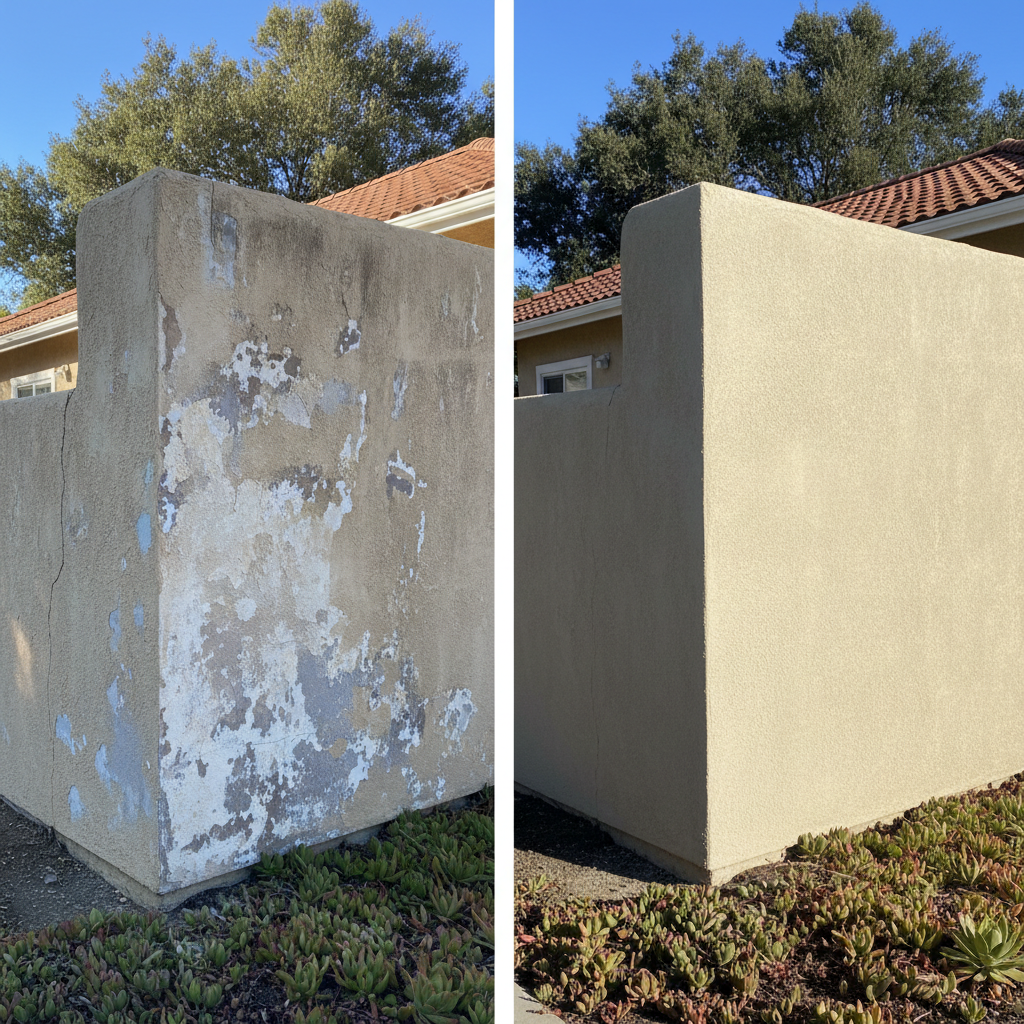
Traditional Stucco vs. Synthetic Stucco: Let's Talk Real Talk
So, you're thinking about stucco for your place, right? Maybe it's a brand-new house, an addition you're planning, or even a big re-siding job. You've probably heard folks toss around terms like 'traditional stucco' and 'synthetic stucco.' Honestly, it can get confusing pretty fast, and some people out there don't exactly make the differences clear. As a local guy who's been doing this work for years, I want to set the record straight for my neighbors here in Campbell. What's the real story with these two options?
First off, let's get one thing straight: both are good products. That's if they're put in correctly, of course. But they're not the same, and what works great for one house might not be the best fit for another. It really just comes down to your priorities, your budget, and what your home specifically needs.
Traditional Stucco (Hard Coat Stucco)
When I talk about 'traditional stucco,' I'm talking about a cement-based product. This stuff has been around for centuries, and there's a good reason for that. It's tough, it lasts, and it lets your house breathe. You'll often spot it on older homes in the Dry Creek neighborhood or on those classic Spanish-style places all over town.
The Good Stuff:
- Durability: This material is hard as a rock. It can take a hit and really stand up to wear. We're talking about something that could last 50 to 100 years if you take care of it.
- Breathability: Traditional stucco breathes. That means moisture vapor can pass right through it. This is a huge plus in our climate, especially with those foggy mornings we sometimes get. It helps stop moisture from getting trapped behind your walls, which is a big deal when you want to prevent rot and mold.
- Cost (Material): Generally, the raw materials for traditional stucco cost less than what you'd pay for synthetic systems.
- Appearance: It gives you a very natural, matte finish. You can pick from all sorts of textures, everything from super smooth to quite rough, and the color holds up well.
The Not-So-Good Stuff:
- Installation Cost & Time: It's a multi-layer system – scratch coat, brown coat, finish coat – and each layer needs time to dry. This means more labor and a longer installation period.
- Cracking: Because it's rigid, traditional stucco can show tiny hairline cracks over time. This happens because buildings naturally shift or temperatures change. These cracks are usually just cosmetic, but some homeowners do worry about them.
- Water Absorption: It breathes, yes, but traditional stucco can still soak up water. If it's not flashed right, or if there are ongoing leaks, water can get behind it.
Synthetic Stucco (EIFS - Exterior Insulation and Finish Systems)
Synthetic stucco, or EIFS, is a totally different beast. It's a multi-layered system that includes an insulation board (usually foam), a base coat with a fiberglass mesh, and then a finish coat. You see it more often on commercial buildings, but we've started seeing it on modern homes too, especially when energy efficiency is a big deal.
The Good Stuff:
- Energy Efficiency: This is EIFS's main selling point. The foam insulation board offers fantastic thermal resistance, which can really cut down your heating and cooling bills. That's a true benefit with our hot Campbell summers.
- Flexibility: Synthetic stucco bends more than traditional stucco, so it's less likely to crack from building movement.
- Water Resistance: Modern EIFS systems are designed to be very water-resistant. They often include drainage planes to shed water effectively, which is smart.
- Design Versatility: You can get incredibly smooth, seamless finishes and really complex architectural details with EIFS.
The Not-So-Good Stuff:
- Cost (Overall): EIFS generally costs more to install than traditional stucco. That's mainly because of the material costs and the specialized installation it requires.
- Impact Resistance: The foam insulation layer can be softer than traditional stucco, making it more vulnerable to impact damage. Think a stray baseball or a ladder bumping the wall.
- Moisture Trapping (Older Systems): This is important to understand: older EIFS systems (from before the 1990s, often called 'barrier EIFS') had a bad rap for trapping moisture if they weren't installed perfectly. This could lead to rot. Modern 'drainage EIFS' systems have pretty much fixed this problem, but it's still something to keep in mind.
- Breathability: It doesn't breathe as well as traditional stucco, meaning proper drainage and flashing are absolutely critical.
My Recommendation for Campbell Homeowners
Alright, so what's the final word for a home right here in Campbell? If you're building a new house and saving energy is your absolute top priority, and you don't mind paying a bit more upfront for that advantage, then a modern drainage EIFS system could be a great choice. But only if it's installed by a super experienced crew like Coastal Stucco & Plastering. It looks sleek, it's energy-efficient, and you get a lot of design freedom.
However, for most homeowners, especially if you're after classic durability, a natural look, and something that's proven itself in our climate, I'd lean towards traditional stucco. It's a material that's stood the test of time, and it breathes well. That's a huge plus for avoiding moisture problems in our sometimes-damp Bay Area conditions. Sure, it might get some hairline cracks over the decades, but those are usually easy to fix during regular maintenance. It's a strong, good-looking, and cost-effective solution that will serve your home well for a very long time.
No matter which way you decide to go, the most important thing is always proper installation. You need a qualified, experienced stucco contractor. That's where you'll really see the difference in how long it lasts and how well it performs.